
The Lantern of the Laughless Saint Map Guide
The Lantern of the Laughless Saint Map: no official map exists; explore via landmarks, rumors, and Tower shortcuts; full records come after Early Access.
No official map of The Lantern of the Laughless Saint has been published. The Steam listing and the game’s own materials describe exploring an ancient island, tracking clues, finding shortcuts into the Tower, and discovering side stories, but none of them ship a full world map, a Tower floor list, or a named regional structure. Navigation is designed to work without a map: players understand the island through landmarks, rumors, route changes, and shortcuts rather than a checklist of question-mark icons. This page will be rebuilt from real exploration results after Early Access, and until then everything below is TBC.

Official announcement trailer by NerveLabs on YouTube. The trailer gives setting context but is not an official map or coordinate source.
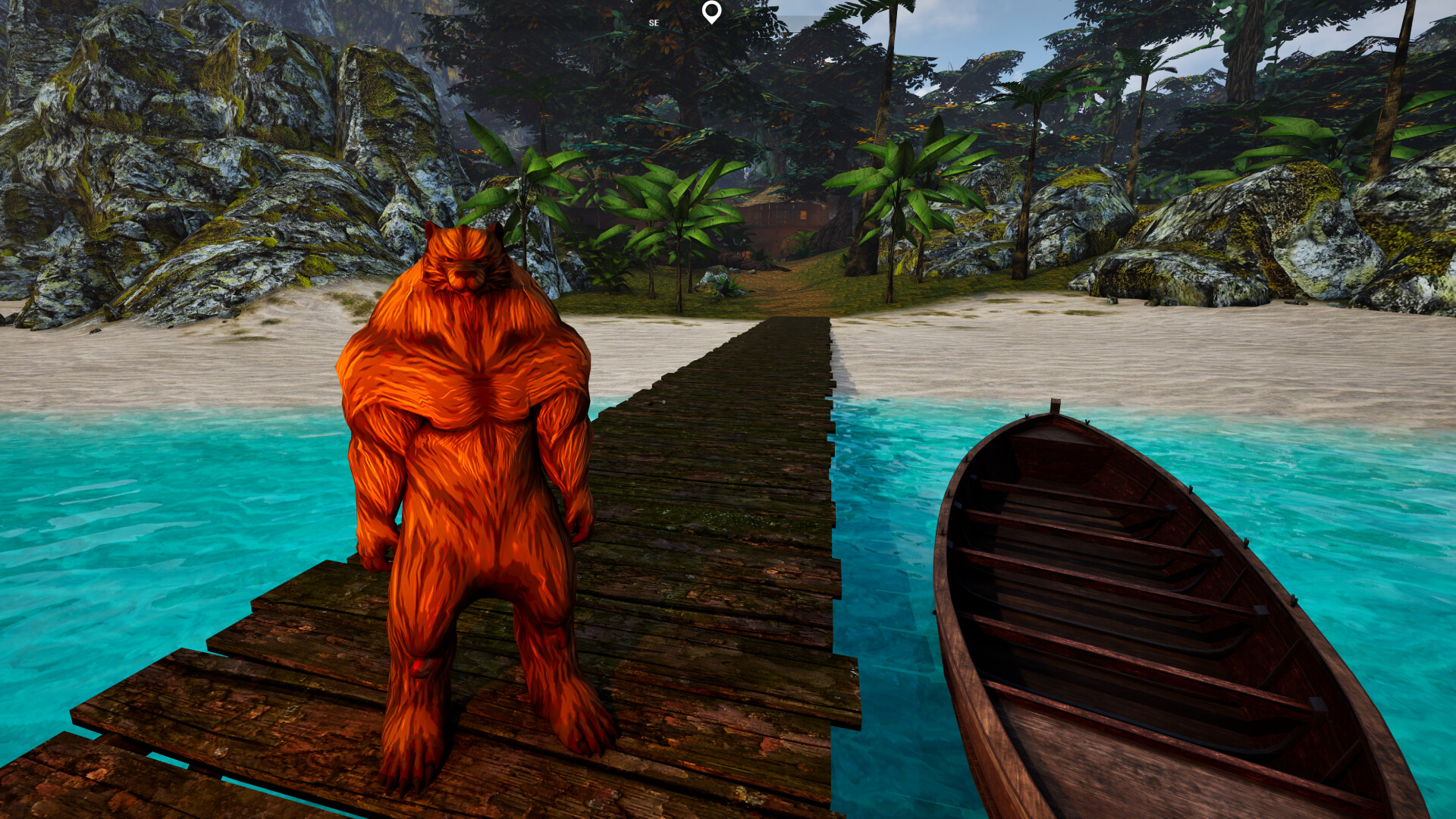
Authorized Steam store media used as navigation context, not as an official map or coordinate record. Open the official Steam source.
Verified Map Records
No verified map records are published on this wiki yet. Region names, coordinates, markers, routes, and location links will be added only after they are checked against the live build.
No Official Map Has Been Published
The absence of an official map is a fact, not an oversight. The Steam page describes the game’s exploration openly — an ancient island, clues to track, shortcuts into the Tower, side stories to find — yet publishes no full map of the island. The game’s own wiki materials confirm the same: they plan to add real region names, shortcuts, and a screenshot map after Early Access, which means none of those exist yet.
The official sources also confirm that the world consists of an ancient island and a central silent Tower, but there is no verified floor list for the Tower, no route map, and no formally approved regional structure. Any map you see elsewhere should be treated as unofficial fan-made work, not as confirmed geography.
This makes the map page a placeholder by design. Its job in the current Early Access build is to record what is known to be missing, so that when exploration data arrives, it can be replaced with verified records. That update is TBC until live-build verification.
Navigation Without Quest-Marker Checklists
The game is built around understanding the island through landmarks, rumors, and repeated excursions rather than relying only on explicit quest markers. The exploration philosophy explicitly rejects the traditional “question mark checklist” — the world does not annotate itself for you. Instead, you build your own sense of place by walking the land and paying attention.
This is the Morrowind-inspired, player-directed structure the developers describe: following rumors, reading fragments of history, and discovering people and places without assuming a modern checklist-style quest flow. The map in your head is meant to be the real map.
That approach is why the island page emphasizes walking, rumor-tracking, and revisiting areas with new tools. The world is designed to be learned, not looked up, and the map page will eventually document what learning it produces. For how all of this fits into the wider game, see the gameplay guide.
Landmarks and Rumors as Your Compass
Without a map, landmarks carry the navigation. The silent Tower is the island’s major landmark, the reference point that dominates the horizon and orients every route. Everything else is understood in relation to it — north of the Tower, past the Tower, around the Tower.
Rumors are the second half of the compass. They arrive through NPC conversations and point you toward places, shortcuts, and quests you would never find by wandering alone. Tracking rumors is listed among the early priorities for new players, which tells you how much of the game’s geography is delivered through people rather than icons.
Because rumors come from characters, the NPCs page is a natural companion to this one. Knowing who lives on the island and what they talk about is often the difference between finding a place and walking past it.
Shortcuts Around the Tower
The Tower is the destination everyone shares, but there is no single obvious route into it. The materials describe alternate approaches and shortcuts around the Tower as the expected way in, and the Steam page confirms that finding shortcuts into the Tower is one of the core exploration goals. Players are encouraged to find their own way rather than follow a marked path.
Shortcuts are also part of the island’s general design, not just the Tower’s. Route changes, hidden passes, and alternate approaches appear throughout the world, and new traversal tools can open routes that were previously unreachable. Revisiting familiar ground with new capabilities is a documented part of the loop.
The exact locations of Tower entrances and shortcuts are TBC until live-build verification. Until verified exploration data exists, this page cannot list them — and will not invent them. The world page covers the Tower’s place in the world’s lore while we wait for the geography.
What the Map Page Will Record After Early Access
Once Early Access begins, this page is planned to become a full record of the island built from direct exploration. The confirmed list of planned records covers: complete region names, coordinates or map markers, Tower entrances, shortcuts, NPC locations, quest locations, item locations, and secrets — plus a screenshot map of the island.
- Region names, once officially established
- Coordinates and map markers for key locations
- Tower entrances and the shortcuts that reach them
- NPC locations and their schedules
- Quest and item locations
- Secrets and environmental finds
- A screenshot map of the island
Each of these will be verified by direct exploration as live-build records are verified rather than copied from unofficial sources. Until then, none of them are confirmed, and everything on this list is TBC until live-build verification.
How the Island Reads as a Map
Without printed geography, the island itself has to act as the map, and the materials describe exactly how that works: through walking, landmarks, rumors, NPC stories, environmental clues, and repeated visits. Each of those feeds your mental picture of the land, and together they replace the annotated map other games hand you. A hill you climb early becomes a reference point you use for the rest of the game.
The reading changes as you gain tools. Revisiting an area with new traversal capabilities can reveal routes that were invisible on your first pass, and routes can shift as the world changes around you. This is why the island page frames exploration as an ongoing process rather than a single tour — your map of the island is built across many excursions, not one.
NPC stories and environmental clues complete the picture. A rumor about a settlement, a fragment of burned history, or a landmark seen from the wrong angle can all redirect your sense of the land. For the cast that supplies those stories, the NPCs page is the companion reading.
What Remains TBC
At the moment, everything on this page beyond the existence of the island and the Tower is TBC. Region names, the Tower’s floor list, route maps, and the official regional structure have all been explicitly deferred until live-build records are verified, when the wiki intends to establish them through real exploration.
That includes the geometry of the Tower itself — how many entrances exist, where the shortcuts lead, and what the floor list looks like. None of it is verified, and none of it will be guessed here. The world page explains what is confirmed about the Tower’s role in the lore while the geography waits for verification.
The honest state of the map is that there isn’t one yet. Players who want to explore the island without a map should read the island page for how the game expects you to navigate by landmarks, rumors, and repeated visits — and return here after Early Access, when the first verified maps start appearing.