
The Lantern of the Laughless Saint Combat
The Lantern of the Laughless Saint combat: fast, heavy, reach and hybrid weapon roles, enemy timing, positioning, retreat, and skills that improve by use.
Combat in The Lantern of the Laughless Saint is weighty, punchy and experimentation-friendly. Steam describes it as visceral combat with multiple weapon types against strange horrors, and the combat material groups weapons into fast, heavy, reach and hybrid magic-physical roles. Success depends less on chasing the biggest damage number and more on reading enemy timing, holding position, keeping a retreat option, and using terrain and spell effects creatively. Skills grow by use, so what you fight with is what you get better at.

Official announcement trailer by NerveLabs on YouTube. The footage is combat context, not a source for damage values or matchup data.
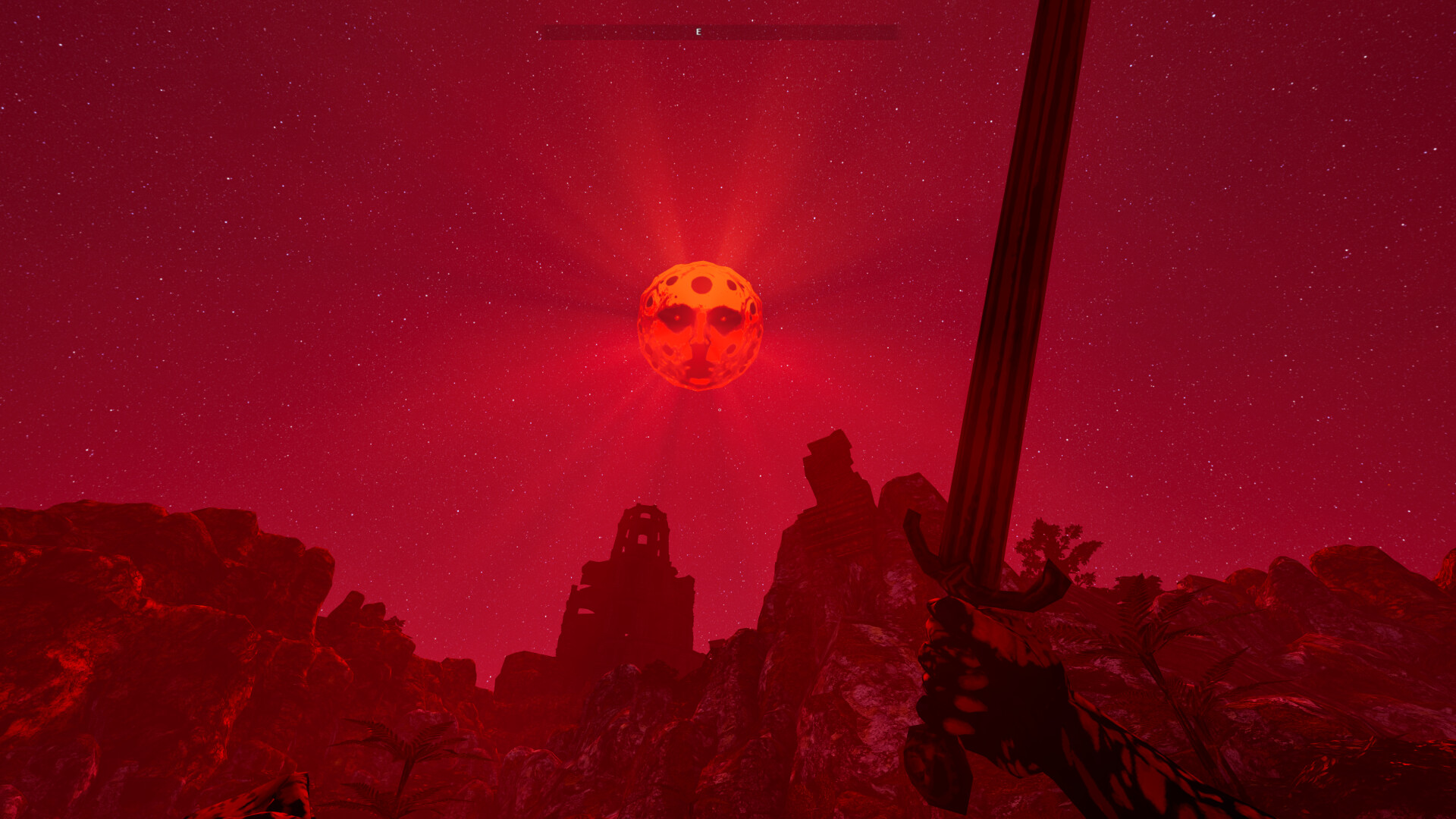
Authorized Steam store media used as combat context. Open the official Steam source.
Weapon Roles: Fast, Heavy, Reach and Hybrid
The combat basics material understands weapons by their function rather than their stat sheet. Fast arms are for interrupting and probing, letting you test an enemy and break its rhythm. Heavy arms are for punishing openings — when an enemy commits to a swing or a windup, that is when the big damage lands. Reach tools emphasize safe distance, keeping you out of harm’s way while you wear an enemy down.
The fourth role, hybrid magic-physical, combines spell crafting with melee so the same character can open with magic and finish with a blade. These are soft categories rather than hard classes, and the weapons-and-builds material lists fast melee, heavy frontline, long-range control, spellblade and support alchemist as viable directions. If you want the full catalogue of what to equip, the weapons hub and spell crafting pages cover both sides of the hybrid role.
Learn Enemy Timing
Reading enemy timing is the single most important combat skill the material emphasizes. Every enemy has a rhythm — a windup, a swing, a recovery — and fights are won by learning it before committing to your own actions. The combat material explicitly says to observe enemy timing and use position and resources rather than only pursuing panel damage.
The island’s horrors are varied: official material mentions strange horrors generally, while alpha playtest footage shows everything from skeletons with bows to frogmen, zombies and oversized creatures. Those examples are pre-release observations, so treat the specific cast as TBC until live-build verification, but expect variety either way. The announced 60+ unique enemies in Early Access exist specifically to keep that learning process fresh.
The same playtest footage also shows stamina as a limiting resource and charge attacks that commit you to a swing, which rewards patience and punishes button mashing. Those are pre-release observations too, so mark them TBC until live-build verification, but they line up with the confirmed advice to read timing before acting. Even a bow with a limited arrow supply appears in the footage, a reminder that ranged players also need resource discipline.
Positioning and Retreat
Positioning is a tactic, not an afterthought. The combat material keeps emphasizing that you should maintain positioning and retreat options, and the gameplay material goes further: use terrain and spell effects creatively, and do not assume every encounter should be fought head-on. A knee-high wall, a chokepoint or simply distance can be as valuable as a strong weapon.
Retreat is explicitly valid. If an encounter is going badly, the material treats backing off and re-approaching as legitimate play rather than failure, and the beginner material warns against getting pinned with no way out. Pairing offense with mobility and sustain — the ability to move and to recover health — is the recommended way to build any fighting style. The beginner guide covers how to apply this in your first hours.
Skills Grow by Use
The Early Access trailer states it plainly: every skill you use makes it stronger. Skills improve through use rather than through a separate allocation screen, which means combat and character progression are the same loop — the more you fight a certain way, the better you get at it. Alpha playtest footage shows this in action, with acrobatics, lockpicking and barter all increasing from simply doing those things.
This changes how you should think about combat training. There is no point leveling a weapon style you never use, and no benefit to pretending a build exists before you commit to it. The skills page details how use-based progression works, and the implication for combat is simple: pick what you actually enjoy, and let the game grow it.
Don’t Spread Your Skill Growth Too Thin
The beginner material warns specifically against spreading skill growth across too many weapon styles before a build identity forms. Because skills grow by use, every style you sample slows down every style you keep, and a character who dabbles in everything ends up strong at nothing when fights get demanding. The combat material repeats the same advice: combat style should match your character’s skill growth.
The practical rule is to choose one weapon family early and stick with it through the first stretch of the game, adding a second style only once the first one feels reliable. It is fine to experiment in the opening hours, but the material is clear that commitment comes quickly. The builds page shows how weapon choices and skill growth combine into full archetypes.
Build Directions to Consider
The weapons-and-builds material lists several soft build directions that all work within the same combat model: fast melee, heavy frontline, long-range control, spellblade and support alchemist. Fast melee keeps pressure on and interrupts enemies; heavy frontline soaks and punishes; long-range control keeps threats at a distance; spellblade fuses crafted magic with a blade; support alchemist keeps the party healed and stocked through potions.
These are directions, not locked classes, and the material treats them as flexible templates that adapt as you learn the island. Pairing offense with mobility and sustain is the through-line: every direction wants a way to move and a way to recover. The alchemy page covers the sustain side, while the combat side is anchored by the weapon roles above.
The support alchemist direction is worth singling out because it shows how far the combat model bends: a character can contribute through potions and crafted effects rather than raw damage, keeping the party sustained through longer fights. Spellblade proves the hybrid role is not an afterthought either, since crafted fire, shock or poison effects can set up the melee hit that finishes an enemy. Whichever direction you choose, the material is consistent that it should match your skill growth.
What’s TBC Until Live-Build Verification
A few combat specifics are still unverified and marked TBC until live-build verification: concrete enemy weaknesses, boss encounters, real damage numbers, and whether parry or dodge mechanics exist in their final form are all listed by the material as awaiting testing in the release build. What is confirmed is the framework — visceral combat, multiple weapon types, and enough enemies and equipment for varied fights — not every number behind it.
Combat tuning is also expected to change during Early Access, since the EA period is explicitly one of polish and balance. Treat current descriptions as the design intent rather than the final word, and re-check the Early Access page for updates as the build evolves.